



What is Article 32?
Article 32 of the Indian Constitution is conside...

Speech is the God’s gift to the human race. It allows humans to express their feelings, sen...
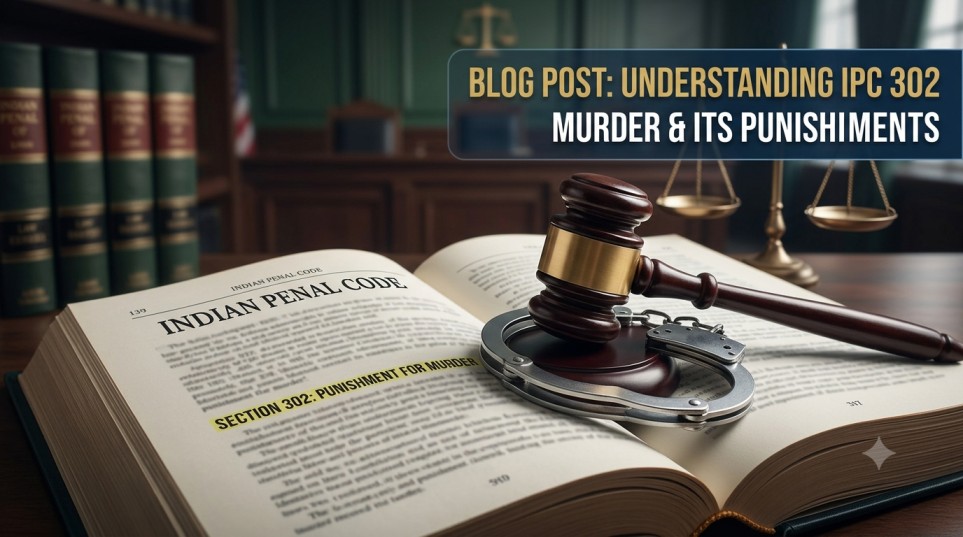
Murder is an act done with the intention of causing death or a purpose to cause bodily harm that...
Trending Topics
The latest news, technologies, and resources from our team.

What is Section 506 IPC?
Section 506 IPC says that “Whoever commits, the offence of criminal intimidation shall be...

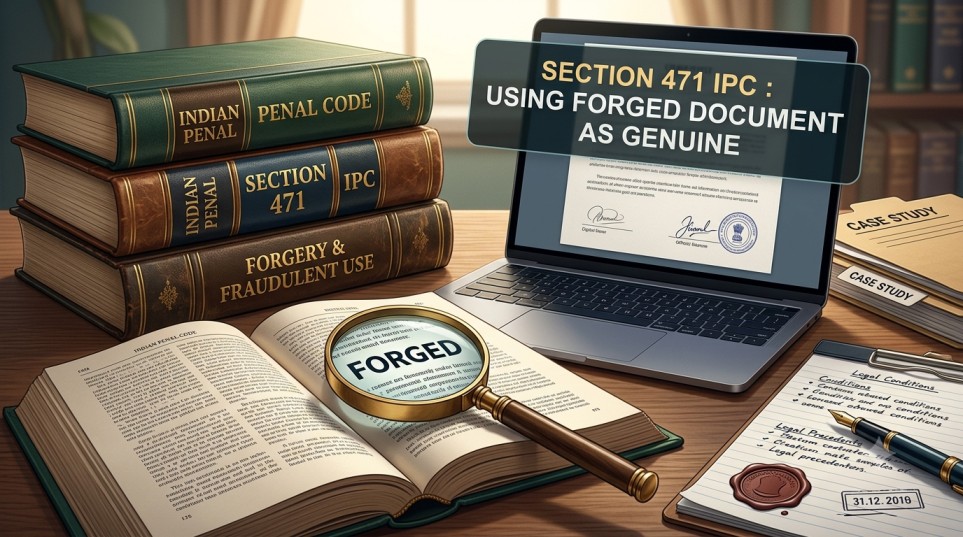
What is Section 471 IPC?
Section 471 IPC says that “Whoever fraudulently or dishonestly uses as genuine any document or...

As per the recent report of Hindu.com, over 2300 domestic violence complaints were filed with the National commission for...
Recommended
-
1
-
2
-
3
-
4
Other Topics Channels
Latest Blog Posts
The latest news, technologies, and resources from our team.


India has the lengthiest constitution in the world. Each and every provision has been drafted considering the welfare of masses....
What is Article 32? Article 32 of the Indian Constitution is considered as one of the most important articles when...
Speech is the God’s gift to the human race. It allows humans to express their feelings, sentiments and feelings to...
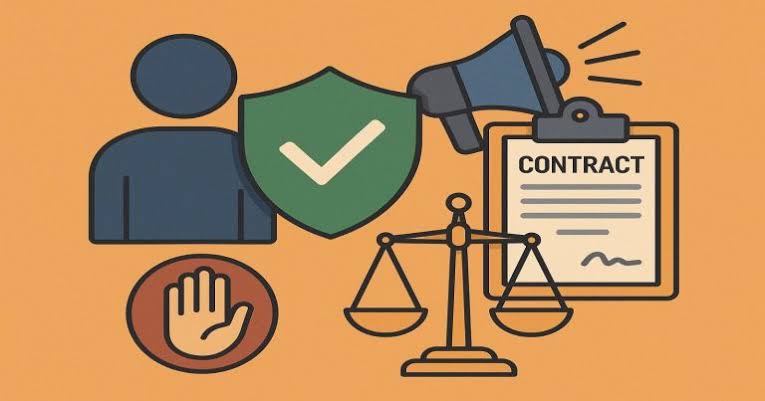
We all are consumers. Each one of us is consuming one or other thing with the power of money. Hence,...
Trending Blogs
The latest news, technologies, and resources from our team.

The legal profession in India is experiencing a digital evolution. With increasing caseloads, rising client expectations, and complex compliance...

Legal processes have long been complex, time-consuming, and expensive. Whether you're a business handling contracts or an individual dealing with...

The advent of information technology and the blog culture which it has fostered has given a platform for writers to...

Every young law aspirant who has attended law school is ushered into the fraternity with the opening lines in...

In today’s fast-paced digital landscape, legal risk management has become more complex than ever. Organizations must navigate evolving regulations,...


