Lending has always been about judgment.
Who can be trusted? Who is likely to repay? And more importantly… what risks are hidden beneath the surface?
For decades, financial institutions relied on financial statements, credit scores, and past repayment behavior to answer these questions. But today, that’s no longer enough.
Risk has become more complex, and less visible.
This is where credit and risk analysis is evolving. With the integration of AI, institutions are no longer just evaluating financial data, they’re uncovering patterns, signals, and risks that were previously difficult to detect.
The result? Faster decisions, deeper insights, and a more proactive approach to managing lending risk.
What Is Credit and Risk Analysis, and Why It Matters
At its core, credit and risk analysis is the process of evaluating a borrower’s ability to repay a loan while identifying potential risks associated with that decision.
Traditionally, this included:
- Credit history and repayment behavior
- Financial statements and income stability
- Existing liabilities and exposure
- Collateral evaluation
But modern credit and risk analysis goes beyond these inputs.
It now incorporates a broader perspective, one that includes behavioral data, transaction patterns, and increasingly, legal and compliance-related insights.
Why does this matter?
Because financial risk isn’t just about numbers. It’s also about credibility, conduct, and legal exposure.
And those factors don’t always show up in financial reports.
The Limitations of Traditional Credit Assessment
While traditional methods have served the industry for years, they come with clear limitations in today’s environment.
Static Data, Dynamic Risk
Financial statements and credit scores are snapshots in time. They don’t always reflect current or emerging risks.
Limited Visibility into Non-Financial Risk
Legal disputes, regulatory actions, or criminal exposure can significantly impact a borrower’s reliability, but are often overlooked.
Manual and Time-Intensive Processes
Credit evaluations often involve multiple teams, documents, and verification steps, slowing down decision-making.
Inconsistent Risk Assessment
Without standardized processes, risk evaluation can vary across teams or institutions.
As lending volumes grow and regulatory scrutiny increases, these limitations become harder to ignore.
How AI Is Reshaping Credit and Risk Analysis
AI isn’t replacing credit assessment, it’s enhancing it.
By processing large volumes of data quickly and identifying patterns that humans might miss, AI enables a more comprehensive view of risk.
Here’s how the shift is happening:
- Data aggregation at scale
AI systems can process structured and unstructured data from multiple sources simultaneously. - Pattern recognition and predictive insights
Instead of relying solely on historical performance, AI identifies trends and potential future risks. - Real-time decision support
Faster analysis allows institutions to make lending decisions more efficiently. - Improved consistency
Standardized models reduce variability in risk assessment across teams.
But perhaps the most important shift is this, AI allows institutions to expand what they consider as “risk data.”
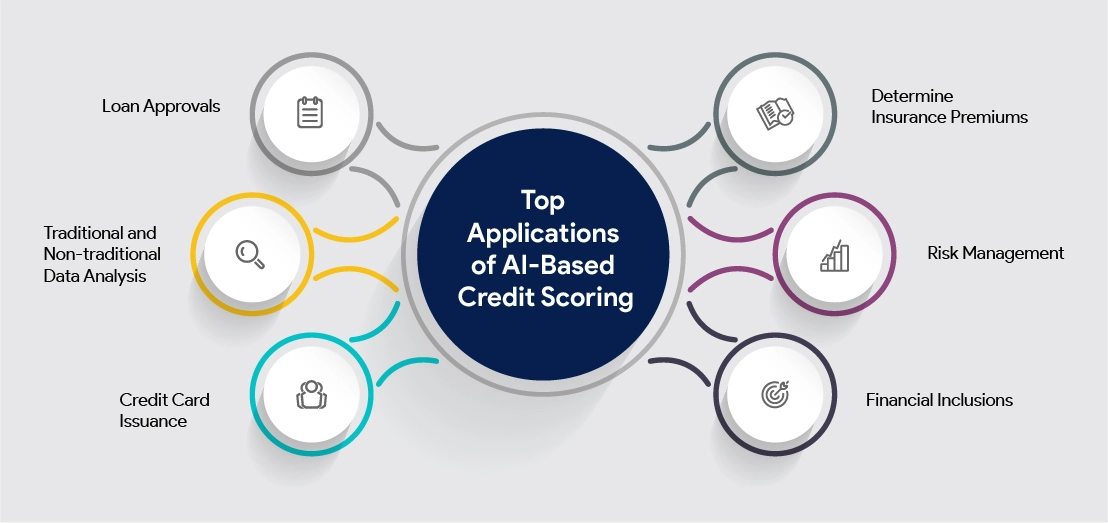
Where AI-Driven Credit and Risk Analysis Delivers Value
The real impact of AI becomes clear when applied to real-world lending scenarios.
Retail Lending and Loan Approvals
AI helps assess borrower profiles more quickly, enabling faster approvals while maintaining risk controls.
Corporate Lending Decisions
For businesses, AI can analyze a wider range of inputs, including operational, financial, and legal data, to provide a more holistic risk view.
Fraud Detection and Prevention
By identifying unusual patterns or inconsistencies, AI supports early detection of potential fraud risks.
Portfolio Risk Management
Institutions can monitor risk across their lending portfolios more effectively, identifying trends and emerging concerns.
Across all these use cases, the goal remains consistent, make better decisions, faster, without increasing risk exposure.
The Growing Importance of Legal Data in Credit Risk
One area that’s gaining increasing attention in credit and risk analysis is legal intelligence.
Why?
Because a borrower’s legal history can reveal risks that financial data alone cannot.
For example:
- Ongoing litigation may impact financial stability
- Regulatory actions can indicate compliance risks
- Criminal records may raise concerns about credibility
- Frequent disputes may signal operational instability
These factors don’t always show up in traditional credit assessments, but they can significantly influence risk.
This is where integrating legal insights into credit workflows becomes valuable.
Practical Considerations for Financial Institutions
Adopting AI-driven credit and risk analysis requires more than just technology, it requires a shift in approach.
Here are a few practical considerations:
- Expand your definition of risk data
Include legal, behavioral, and operational insights alongside financial metrics. - Focus on data quality and reliability
AI is only as effective as the data it processes. - Ensure transparency in decision-making
Maintain clarity on how risk assessments are derived. - Integrate, don’t isolate
AI tools should complement existing workflows, not operate independently. - Balance speed with accountability
Faster decisions should not come at the cost of compliance or accuracy.
These steps help ensure that AI enhances, not complicates, the credit evaluation process.
Where Legal Intelligence Platforms Add Depth
As financial institutions expand their risk assessment frameworks, the need for structured legal data becomes more apparent.
This is where platforms like LegitQuest’s LIBIL can support credit and risk analysis in a meaningful way.
By enabling access to organized legal and litigation data, LIBIL helps teams:
- Explore litigation history linked to borrowers or entities
- Identify legal risks that may impact creditworthiness
- Support due diligence alongside lending decisions
- Reduce reliance on fragmented or manual legal research
In this context, legal intelligence becomes an important layer within the broader credit evaluation process.
It doesn’t replace financial analysis, but it strengthens it.
Why Smarter Lending Depends on Better Risk Visibility
The future of lending isn’t just about faster approvals, it’s about smarter ones.
Financial institutions are under increasing pressure to:
- Reduce default risk
- Improve compliance
- Maintain profitability
- Enhance customer experience
Achieving all of this requires one thing, better visibility into risk.
AI-driven credit and risk analysis provides that visibility by combining speed, scale, and depth. And when legal insights are integrated into this process, the picture becomes even clearer.
Because risk doesn’t exist in silos, and neither should risk assessment.
Better Decisions Begin with Better Insights
At its core, credit and risk analysis is about making informed decisions under uncertainty.
AI helps reduce that uncertainty.
By expanding the scope of data, improving analysis speed, and uncovering hidden patterns, it enables financial institutions to move from reactive decision-making to proactive risk management.
And with structured legal intelligence, through platforms like LIBIL, adding another layer of insight, those decisions become even more grounded.
Because in lending, the difference between a good decision and a costly one often comes down to what you can see, and what you might otherwise miss.


